

Product families
Quick links
Headquarters
Sign up for our newsletter to receive updates directly in your inbox
By registering I agree to TreCe’sdata protection policy.
We support the important work of



Many offices have waste sorting in place but still can’t get it to work. The residual waste bin is full of things that should have been sorted, bins overflow in the wrong places, and no one’s quite sure what goes where. Most of the time it’s not a lack of interest. It comes down to a handful of recurring mistakes. Here are the seven most common ones, and how to fix them.
The most common mistake is hiding the recycling setup in a storage room or at the far end of a corridor. Out of sight means out of use. Fix: place sorting where the waste is generated and where people already move. A central recycling station by the coffee machine or in the lunch room, combined with smaller bins like Kite or Hold at desks, keeps the distance to the right bin short. The lower the barrier, the higher the sorting rate.
When people aren’t sure where something goes, it ends up in the residual waste. Vague labels or handwritten notes don’t cut it. Fix: use clear, consistent symbols and colours, ideally following Avfall Sverige’s national labelling system so staff recognise them from home. Add concrete examples of what belongs in each fraction.
Too few fractions means material can’t be recycled; too many at once becomes unnecessarily complicated. Fix: start from a waste audit and the legal requirements, then choose a level you can actually maintain consistently. A modular solution like the Miljöstation makes it easy to begin with fewer fractions and build out as the routine beds in.
A small bin for paper packaging that constantly overflows, or a large residual waste bin that invites laziness, both undermine sorting. Fix: size bins to match actual volumes. It helps that many products come in multiple formats: KLOSS is also available as KLOSS small and KLOSS mini, and the Kite bin comes in a Kite mini for tighter spaces. Often the recycling fractions need to be bigger, and the residual waste bin smaller, than you’d first assume.
If it’s inconvenient for cleaning staff to empty the bins, the system breaks down at the last step. In the worst case, everything ends up in the same bag. Fix: choose solutions that are easy to empty, and sort out the emptying routine with whoever handles cleaning before you buy anything. In the kitchenette, a recycling station can make both sorting and emptying easier at the sink.
New equipment doesn’t automatically change habits. Without briefing and buy-in, many people fall back into old patterns. Fix: explain why you’re sorting and what it leads to, cover it when introducing new routines, and appoint an environmental rep to keep the topic alive.
Waste sorting isn’t a one-time project. Without follow-up, you’ll never notice when something has stopped working. Fix: track sorting rates regularly, share the results with staff, and adjust the number of bins, placement, and signage as you go. Visible results keep motivation up.

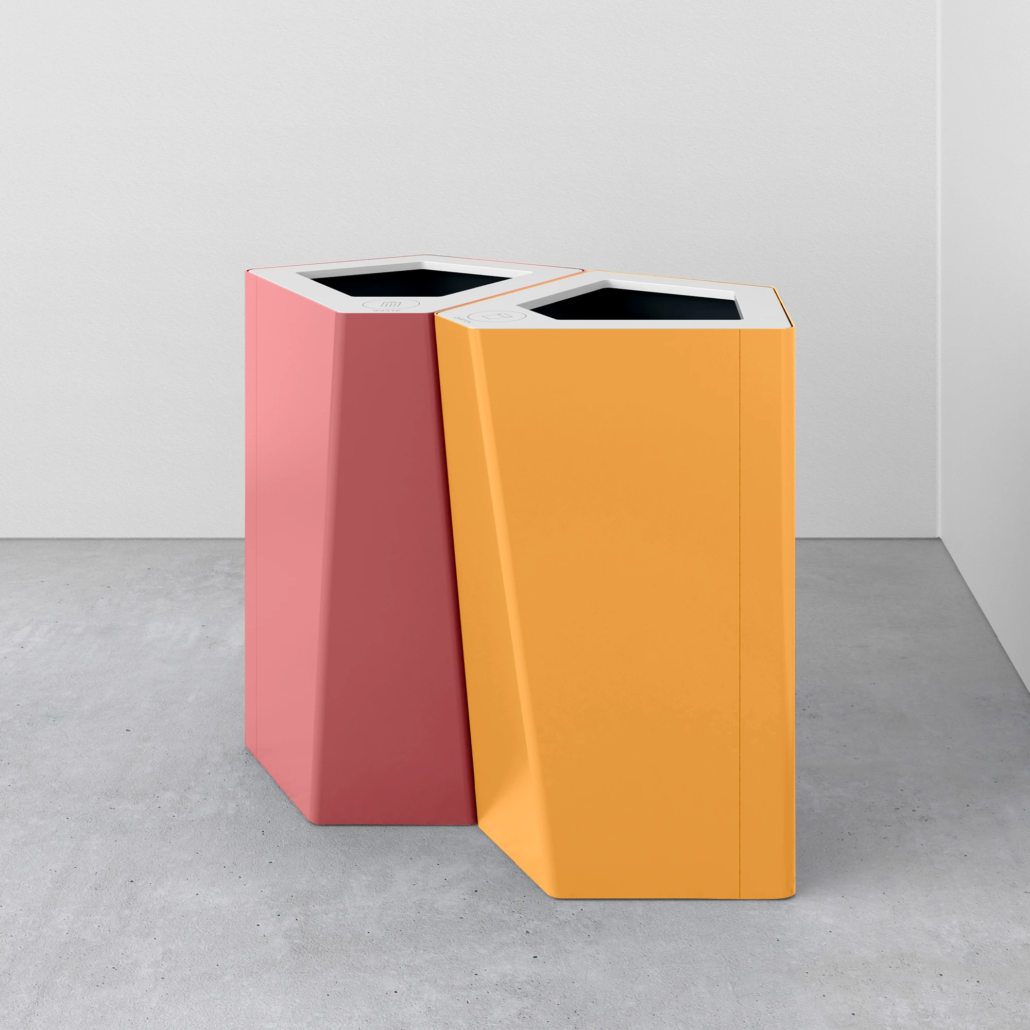
One mistake that compounds several of the others is treating waste sorting as something ugly to hide. When sorting furniture is well-designed, you want it on display, and that’s exactly when it gets used more. TreCe’s award-winning solutions like Etage and KLOSS (both German Design Award 2024 winners), Cloud, and Wavy show that waste sorting can be both beautiful and functional and a natural part of the interior.
Most mistakes can be fixed with small adjustments: the right placement, clear signage, a low barrier, and regular follow-up. If you want to build your waste sorting from scratch or do a proper overhaul, there’s a step-by-step walkthrough in our complete guide to office waste sorting. Explore our solutions for office waste sorting, or see how recycling can become a natural part of the interior.


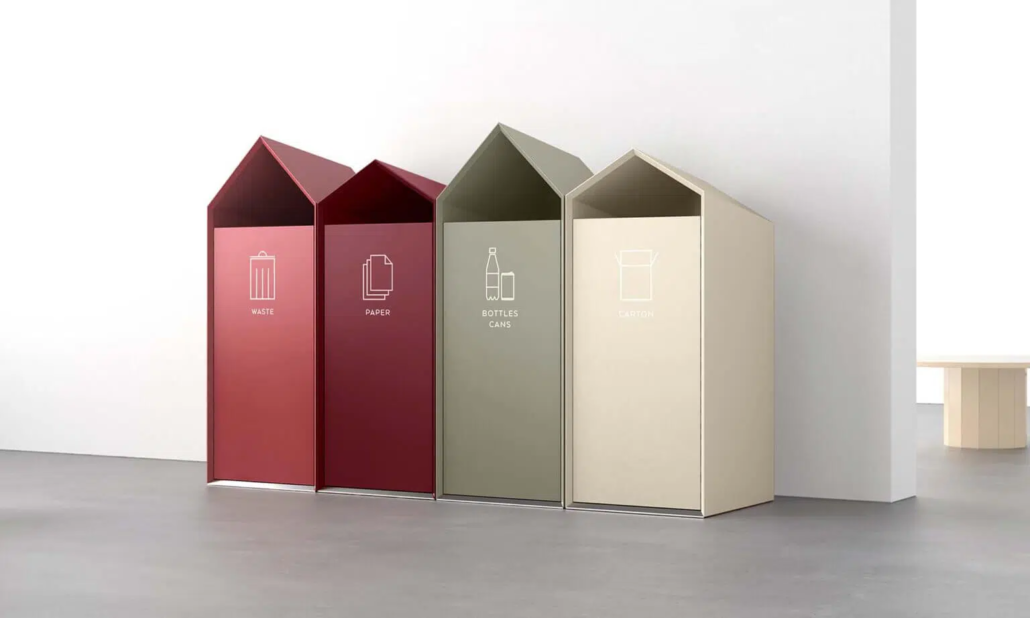
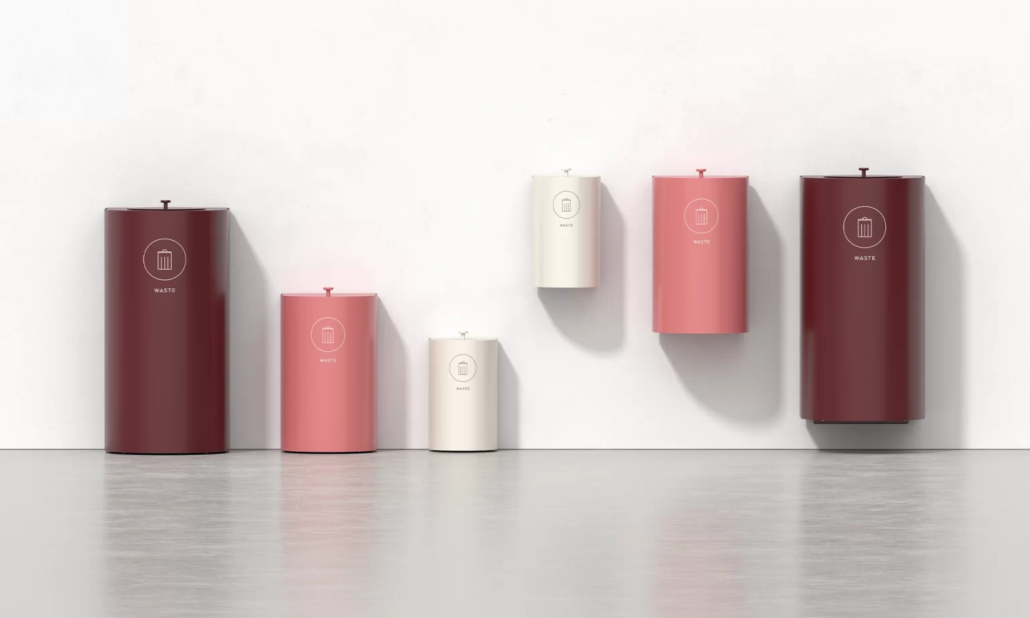
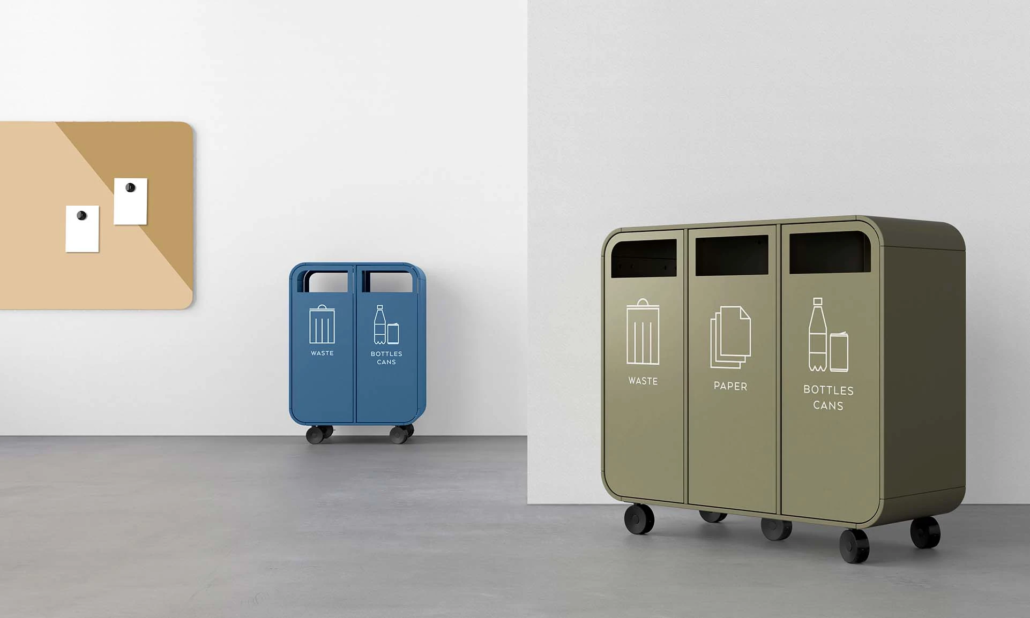
Most office waste sorting problems aren’t down to lack of interest. They come from a handful of recurring mistakes: bins hidden away, unclear signage, the wrong number of fractions, and sizes that don’t match actual volumes. Add in emptying routines that were never thought through, staff who weren’t brought along, and no one following up, and even a well-chosen solution loses its effect. The fixes rarely require big investment: place sorting where waste is generated, sign consistently, size bins to real needs, sort out the emptying routine, and track sorting rates regularly. And let the sorting be seen. A well-designed solution on display gets used more than one tucked away.
Connect with us
Great choices with a focus on sustainability
Dive into our diverse palette of standard colors and customize your space.
Product families
Quick links
Headquarters
Sign up for our newsletter to receive updates directly in your inbox
By registering I agree to TreCe’sdata protection policy.
We support the important work of

 10 Simple Ways to Make Your Office More Sustainable Today